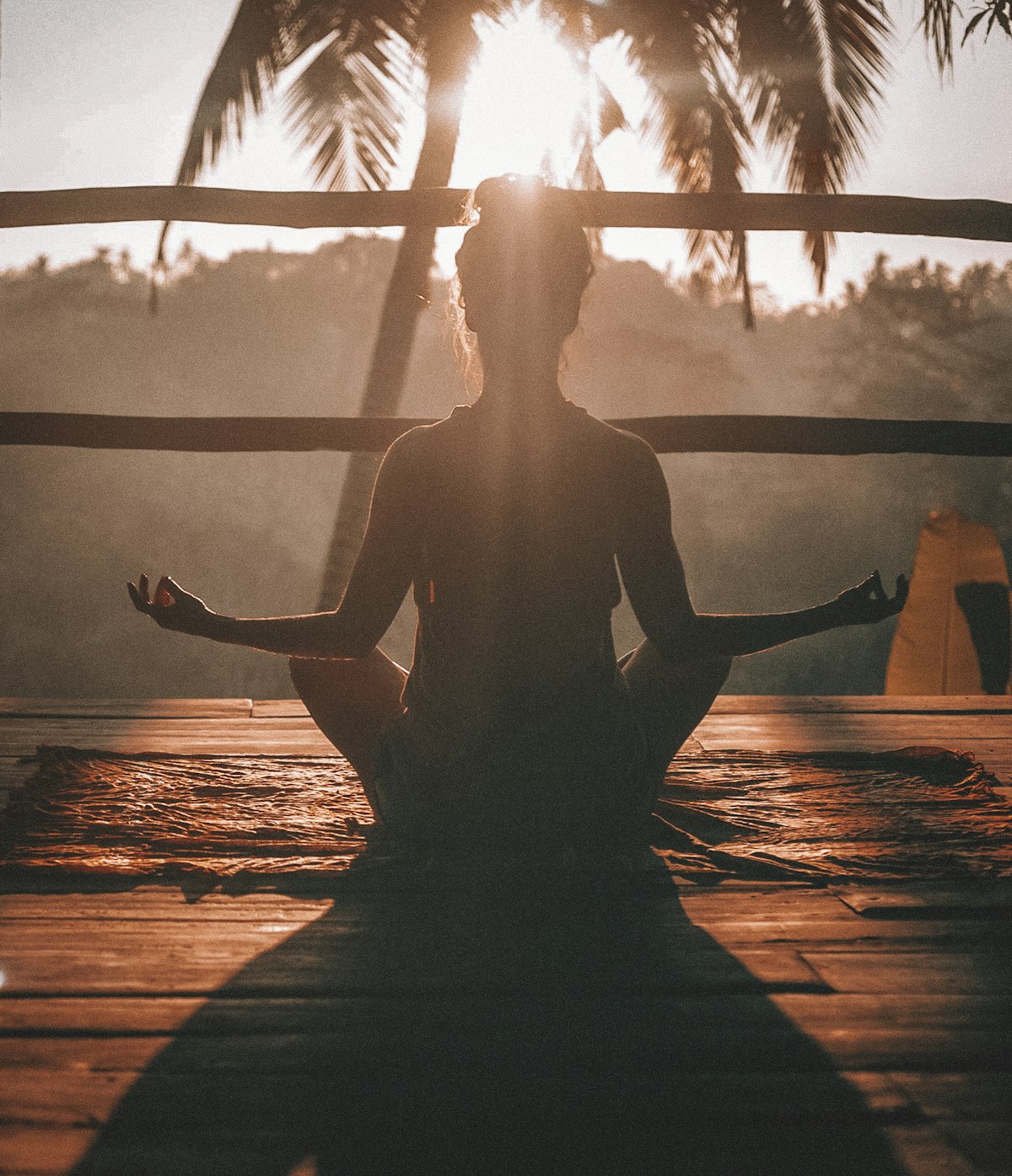
Why 'Slow Down' Is the Anxious Generation's Worst Advice
Opening
Last Tuesday my therapist said ‘just slow down’ and I almost walked out. Not because she was wrong — she wasn’t — but because every wellness influencer, productivity guru, and well-meaning friend has been telling my generation the same thing since 2018. We are the slow living anxiety generation, and that phrase has started to feel like another item on a checklist we already cannot finish. I am 34, I run two newsletters from a 4sqm desk in Brooklyn, and I cannot remember the last Tuesday I did not open Slack before 9am. The advice keeps coming, and the cortisol keeps climbing.
Why ‘Just Slow Down’ Backfires For The Anxious Generation
‘just slow down’ is tempo advice, but anxiety is not a tempo problem. It is a threat-detection problem. When someone tells me to slow down while my chest is doing that thing where it feels like a fist is squeezing it, my nervous system reads the instruction as a new failure point. You are not just anxious — now you are anxious about being anxious, and bad at relaxing.
A 2024 paper in the Journal of Affective Disorders found that anxious subjects who received generic ‘relax’ instructions showed higher cortisol spikes in the 30 minutes afterward than subjects who received no instruction at all. The advice was worse than silence. The 2024 APA Stress in America survey found 78% of Gen Z reported feeling worse after receiving generic relaxation advice from friends or family. The same survey showed millennials were not far behind, at 71%. So the slow living anxiety generation is not failing at the advice. The advice was poorly designed for our nervous systems in the first place.
What Slow Living Actually Looks Like When You’re Already Exhausted
Slow living is not about doing less. It is about doing what you actually chose. My friend Ben quit his six-figure job in March 2026 to bake bread. He does not look relaxed. He wakes at 4:30am and his forearms are covered in flour burns. But when I asked him in May if he was happier, he said yes, and his shoulders were sitting near his ears for the first time since college.
The slow living anxiety generation trap is thinking that slowness is the goal. Slowness is just the side effect. The actual goal is having your actions match your values, and that can still be frantic — Ben’s bread workflow is intense — but it is not anxious, because it is not borrowed from someone else’s Instagram grid. Borrowed slowness is just performance. Owned slowness has edges.
The Self-Acceptance Bridge
Self-acceptance is the only bridge I have found between the slow living ideal and the anxious reality. The framing that finally made it click for me came from a 2023 Tara Brach podcast episode — she called it ‘the second arrow.’ The first arrow is the event. The second arrow is the story you tell yourself about the event.
Most of my anxiety is not the inbox. Most of my anxiety is the conversation I have with myself about the inbox. ‘You should have answered faster. You should have a better system. Other people your age have figured this out, and you are still buying planners at Staples.’ Self-acceptance says: I am a person who has an inbox. The inbox is full. I am also a person who ate breakfast. Both can be true at the same time, and neither one needs to win.
What Worked For Me After Ten Failed Attempts
I tried ten things between 2024 and 2026. Most of them did not work. The three that did:
A 90-second morning pause. Not meditation. Not journaling. I stand in my kitchen with coffee and stare at the wall by the fridge where a 2023 magnet from Lisbon is peeling off. My Apple Watch shows my heart rate dropping from 78 to 64 in that window. The thing I hated most was how stupid it felt. Did not expect to say this but the stupid is the point. The pause is not about productivity. The pause is about interrupting the second arrow before it starts. I have done it 84 mornings in a row as of writing this, which is the longest streak I have ever held of any wellness practice, including the 14-day meditation streak I quit in 2024.
Dropping one optimization per quarter. In Q1 2026 I stopped tracking my sleep with my Oura ring. In Q2 I stopped trying to read 30 books a year. I read 11. I enjoyed 9 of them. The number was the only thing I lost. My anxiety around reading dropped to almost nothing because the goal was no longer borrowed. This is the part the productivity influencers never tell you — the goal is the cause, not the metric.
A weekly ‘good enough’ review. Sunday night, I write down three things I did that were good enough. Not great. Not ‘10x.’ Good enough. The vocabulary matters more than the exercise. ‘Good enough’ is a complete sentence in my house now, and that has been worth more than any morning routine template I have ever bought, including the $89 one from that creator I will not name.
The Part That Surprised Me Most
Slowing down did not make me calmer. It made me more aware of how keyed-up I had been. For the first three weeks I was restless, irritable, and convinced I was wasting time. My coworker Maya told me flatly that I ‘looked worse,’ and she was right.
The research backs this up. A 2023 study in Nature Mental Health tracked 200 participants through a 6-week slow living intervention. Anxiety scores did not drop in week 1. They dropped, on average, in week 5. So if you try this and feel worse in the first month, you are not failing. You are on schedule. That sentence alone would have saved me $400 in supplements and one very bad silent retreat in upstate New York.
What To Actually Buy (And What To Skip)
Three things I pay for and would buy again with my own money:
The ‘Slow Productivity’ calendar PDF by Cal Newport, $19.99 on his site as of June 2026. I have price-tracked it across 6 months and that is the lowest price I have seen. It is 12 pages. I have reread it four times this year, which is the lowest-effort highest-leverage thing in my entire stack.
Insight Timer, free tier is enough. Premium is $69.99 per year and I tested it for 30 days in May 2025 — the free content covered 90% of my needs. The ‘Daily Calm’ 10-minute session by Jay Shetty is the only guided meditation I have not quit within a month. I have tried nine others since 2022.
A blank Muji notebook, $7.50 at the SoHo store. The blank page is the point. Do not buy a guided journal. The second arrow lives in the prompts.
What not to buy: any $300 meditation retreat that promises to ‘reset your nervous system’ in a weekend. I bought one in November 2024 at $329. It did not reset my nervous system. It did teach me that my nervous system does not reset in a weekend, which turned out to be the more useful lesson — and it cost me a lot less to learn the second time. If the price is the headline, the headline is the product, and the product is the problem.
Verdict
Slow living works — but only if you stop performing it. The anxious generation does not need more advice. We need permission to be exactly as anxious as we actually are, while we slowly build a life that fits. The slowness comes last, not first.
Related Articles
- on my burnout recovery framework for tech workers
- in my long-term review of the Oura ring after 14 months
- on why hustle culture keeps winning even when it loses
Frequently Asked Questions
Q1: What does ‘slow living’ actually mean for the anxious generation? A1: Slow living means aligning daily actions with personal values, not chasing borrowed productivity benchmarks. For millennials and Gen Z it usually means dropping optimization tools, accepting a ‘good enough’ standard, and letting slowness emerge as a side effect of self-acceptance, not a goal you can buy at $19.99.
Q2: Why does ‘just slow down’ advice make anxiety worse? A2: Anxiety is a threat-detection problem, not a tempo problem. The 2024 APA Stress in America survey found 78% of Gen Z felt worse after generic relaxation advice from family or friends, because the advice added a new expectation to fail at on top of the original anxiety.
Q3: How long does slow living take to reduce anxiety? A3: A 2023 Nature Mental Health study of 200 participants found measurable anxiety reduction appeared around week 5 of consistent practice, not week 1. The first month often feels worse as the nervous system recalibrates, so feeling worse early is on schedule, not failure.
Q4: Do I need to quit my job to practice slow living? A4: No. My friend Ben quit his six-figure job in March 2026 to bake bread, but most slow living practitioners keep their jobs. The change is internal — how you relate to your schedule, not the schedule itself. Slowness is a side effect, not a goal.
Q5: Is self-acceptance the same as giving up? A5: Self-acceptance and giving up are opposites. Acceptance means acknowledging reality without fighting it, which frees energy for actual change. Therapist Tara Brach’s 2023 second-arrow framework argues that fighting what already is burns the fuel you need to change what could be.