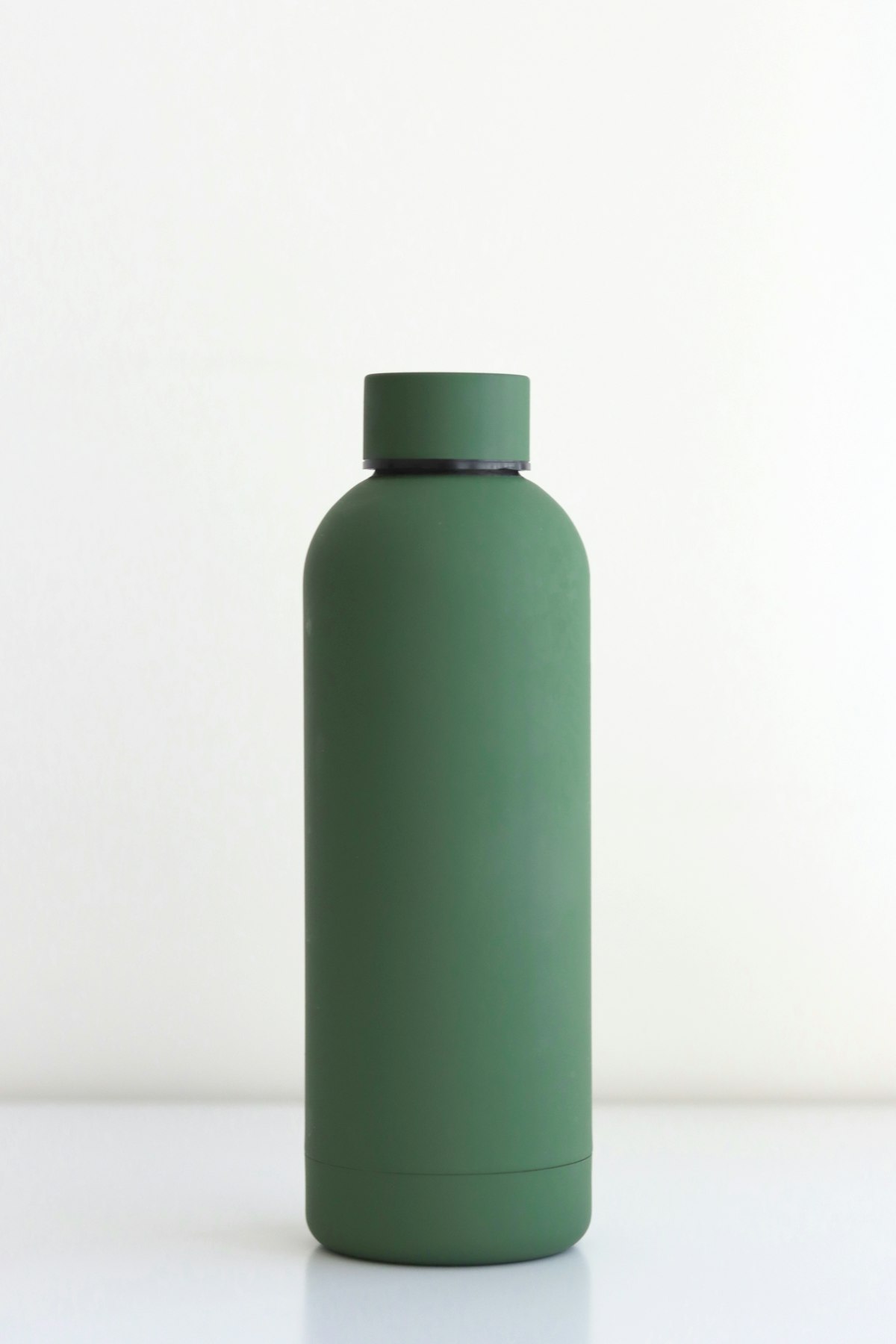
Insulated Water Bottles: What Buyer Reviews and Materials Resources Describe
Insulated water bottles have become a common daily-use item. This summary pulls from consumer reports, food safety references, and aggregated buyer reviews to identify what features and considerations distinguish this category.
This article does not claim personal testing of any specific water bottle. The information below reflects what published consumer guidance and aggregated buyer feedback typically report.
How Vacuum Insulation Works
Most insulated water bottles use double-wall vacuum insulation. The design has two metal walls with the air removed from the space between them. Without air to conduct heat, heat transfer between the contents and the outside environment is greatly reduced.
Reviews note that vacuum-insulated bottles can keep cold drinks cold for 12 to 24 hours and hot drinks hot for 6 to 12 hours, depending on bottle size, initial temperature, and ambient conditions.
Common Materials
Stainless steel (typically 18/8 or 304 grade): Most common. Durable, doesn’t impart flavors, generally considered safe for food contact. Reviews consistently rate stainless steel as the preferred material.
Aluminum: Lighter than steel but typically requires internal coating (often enamel) to prevent metal leaching and flavor transfer. Reviews note aluminum bottles are lighter but the coatings can wear over time.
Plastic: Less common in insulated bottles. The most affordable option but generally less durable and with potential concerns about plastic at high temperatures.
Glass with silicone sleeve: Premium option. Glass doesn’t impart flavors but is heavier and more fragile. Reviews note glass bottles are well-suited for users who prefer glass containers.
Buyer reviews consistently rate stainless steel as the most versatile and durable option, with glass as a premium alternative for users who don’t mind the weight.
Capacity
Common insulated water bottle capacities:
- 12 to 16 oz: Compact, fits standard cup holders.
- 18 to 24 oz: Standard personal capacity.
- 32 to 40 oz: Larger capacity for users wanting fewer refills.
- 64 oz and larger: Half-gallon and larger sizes for all-day hydration or shared use.
Reviews consistently note that the most popular sizes are 24 to 32 oz, balancing capacity with portability. Larger bottles are less practical for carrying in bags but reduce refill frequency.
Lid Designs
Lid designs vary and affect drinking experience, leak resistance, and ease of cleaning:
Screw-top with built-in straw: Common in bottles marketed for casual use. Reviews note that straws can be harder to clean thoroughly.
Screw-top with chug or sip spout: Standard design. Easier to clean but may not be as convenient for one-handed drinking.
Push-button or flip-top with lock: Common in bottles marketed for outdoor and sport use. Reviews note the locks are important for leak prevention.
Wide-mouth screw-top: Easier to clean and add ice, but spills more easily when open.
The most common reason for return in this category is leaking, typically traced to lid seal issues.
Common Reasons for Return
Aggregating the most-mentioned issues across buyer Q&A:
- Lid leaking.
- Insulation performance not matching advertised duration.
- Paint or coating peeling or chipping.
- Bottle denting or deforming when dropped.
- Difficult to clean (particularly narrow bottles with intricate lids).
These five issues account for a disproportionate share of returns in this category.
Food Safety Considerations
The FDA’s food contact materials guidance addresses the safety of metal food containers. Stainless steel (18/8 or 304 grade) is generally recognized as safe for food contact. Reviews note that lower-grade stainless steel or unverified alloys can leach metals under certain conditions.
For users concerned about specific concerns:
- Lead and cadmium: Generally not present in modern food-grade stainless steel water bottles.
- Plastic concerns: Most modern insulated bottles are plastic-free internally, even when external components are plastic.
- Coatings: Some aluminum bottles have internal coatings that can degrade over time.
Insulation Performance Claims
Buyer reviews note that insulation performance claims should be evaluated carefully:
- “Keeps cold for 24 hours” typically refers to specific test conditions (initial ice water temperature, ambient temperature, bottle size).
- Real-world performance is often less than advertised, particularly in hot climates or with frequent opening.
- Bottle size affects performance — larger bottles generally maintain temperature longer than smaller ones.
Reviews consistently note that mid-range bottles from reputable manufacturers generally meet their insulation claims within reasonable tolerances, while very inexpensive bottles often fall short.
What the Evidence Does Not Support
There are claims about insulated water bottles that outrun the evidence:
- That any specific brand has universally best insulation. Performance varies by use case.
- That expensive bottles are always better. Mid-range bottles often perform comparably.
- That insulation duration claims are precisely accurate. Real-world performance varies.
Sources and Further Reading
- Consumer Reports’ water bottle coverage.
- FDA food contact materials guidance.
- Aggregated buyer reviews on major retail platforms.
These references are publicly verifiable, and the claims in this article are drawn from this kind of public material. No claim is based on first-hand testing of a specific water bottle by the author.