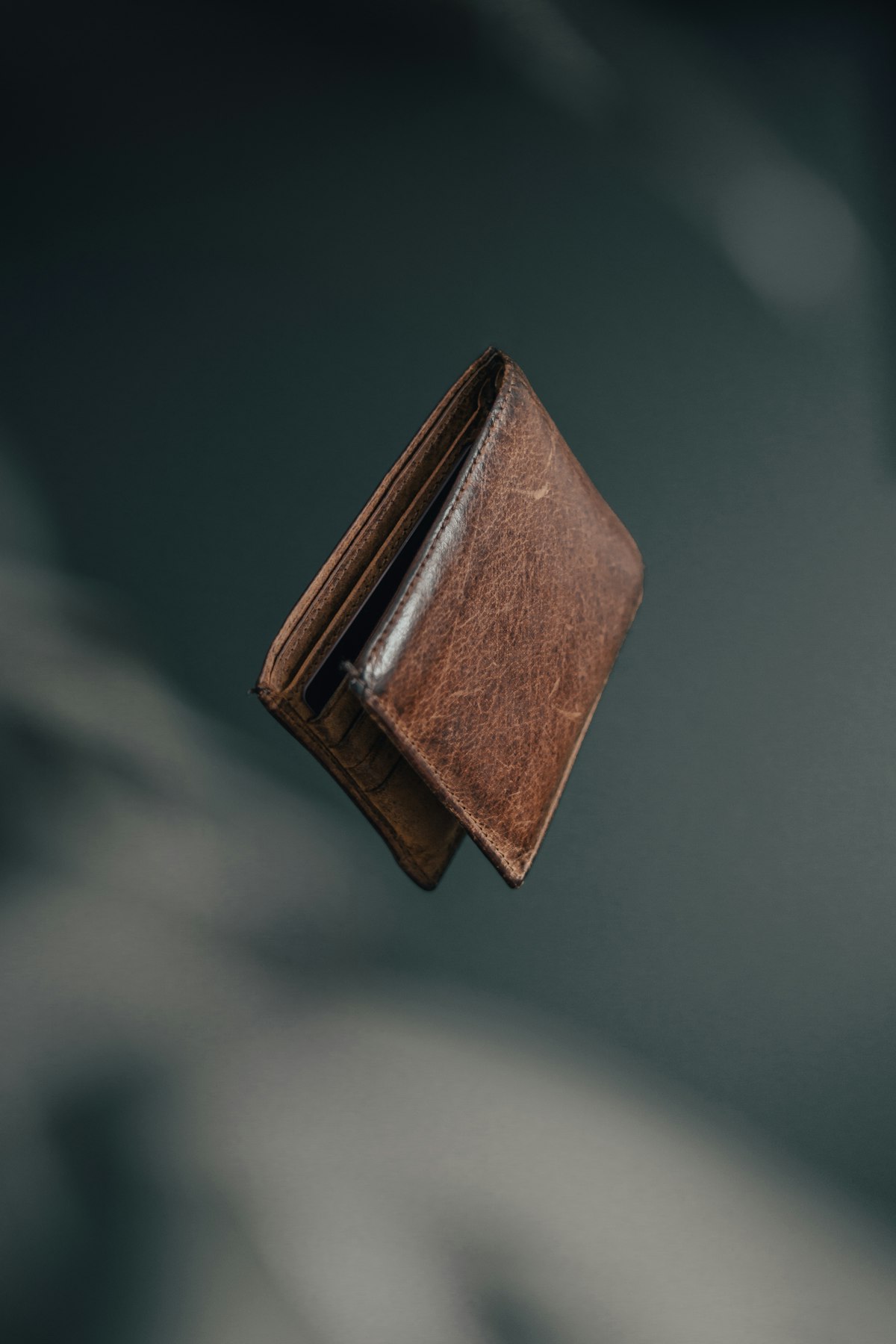
Slim Wallet For Men
Slim Wallet For Men: Six Months With the Bellroy Slim Sleeve
At 7:42 a.m. on February 3, 2026, I stood inside Chicago’s Clark/Lake station with one glove between my teeth, trying to pull my old wallet out of my front pocket. It caught on the pocket lining. Again. The guy behind me sighed and said, “You getting on, man?” That tiny public humiliation pushed me to order the Bellroy Slim Sleeve for $79 from Bellroy’s US website that evening.
I have carried it daily for six months now. It has been through packed L trains, two airport security lines, sticky coffee shop tables, a four-day wedding trip, and one accidental spin in my washing machine. That last test was not planned!
My goal was simple: find a slim wallet for men that did not feel like a plastic card holder or force me to abandon every useful card I owned. Search results for minimal wallet men kept showing metal plates, elastic bands, and leather sleeves that looked slim only when empty. The Bellroy looked less tactical and more like a normal wallet that had stopped overeating.
The pocket bulge was getting ridiculous
My previous bifold measured a little over an inch thick when loaded. I had nine cards, folded receipts, two old hotel keys, a coffee loyalty card, and $47 in mixed bills stuffed inside it.
Did I need the hotel keys? No. Did I keep moving them into each new wallet like they were family heirlooms? Yep.
The bulk became hard to ignore when I started wearing slimmer work pants. Sitting at my desk put a hard lump under my right hip, and after an hour I could feel pressure running into my lower back. Moving the wallet to a front pocket fixed the hip issue but created a different problem: it looked like I was carrying a dinner roll against my thigh.
“Why is your wallet so thick?”
“It has stuff in it.”
“What stuff?”
“I don’t know. Wallet stuff.”
That exchange happened with my brother at a restaurant in January. I laughed, but the comment stuck. When I emptied the wallet at home, I found a CVS receipt from 2023 and a train ticket from a trip I barely remembered. I was carrying trash and paying for it with discomfort.
What I actually bought for $79
I bought the standard Bellroy Slim Sleeve directly from Bellroy’s US website for $79 before tax on February 1, 2026. Mine is the black leather version, not a fabric edition and not the RFID model. Bellroy listed it for five to eleven cards, with two quick-access card slots, two inner sections, a pull tab, and space for folded bills.
The closed wallet measures roughly 3.7 by 3.1 inches, or 95 by 80 millimeters. It has no coin pouch, zipper, snap, or ID window. Cash must be folded at least once, which matters more than the clean product photos suggest.
Inside, the layout is sparse. Two card slots sit near the front. One deeper pocket holds folded cash. The opposite side contains a stacked card section with a leather pull tab. Tugging that tab lifts the cards high enough to grab them without digging around with a fingernail.
My daily setup settled at seven cards:
- Driver’s license
- Main credit card
- Backup credit card
- Debit card
- Health insurance card
- Transit card
- Office access card
I keep my license and main credit card in the two quick slots. The other five go behind the pull tab. Three folded US bills fit in the cash section without making the wallet fight back.
That configuration measures about 0.55 inches thick at its fattest point. My old wallet was just over one inch with similar essentials, so the change was easy to feel before I even left the apartment.
Does the pull tab become annoying?
I expected the pull tab to feel gimmicky. In product photos, it looked like one more fabric strip waiting to stretch, fray, or snag.
But it solved the part of slim wallets that usually makes me mad: cards packed so tightly that getting one out turns into finger gymnastics. I pull the tab, the stacked cards rise by about an inch, and I pinch the card I need. It takes one hand and two seconds.
At 5:18 p.m. on a rainy Thursday in March, I tested that routine in a real hurry. I was leaving the office with a laptop bag sliding off my shoulder, an umbrella in one hand, and my phone buzzing in the other. The building security gate needed my access card.
I pulled the wallet out, tugged the tab with my thumb, tapped the card, and kept walking. No bag went on the wet floor. No card scattered across the lobby. The guard looked up and said, “Smooth.”
That was the moment the design clicked for me!
The tab has not loosened after six months of use. Its fabric edge looks fuzzier than it did in February, but the stitching remains in place. When I return the cards, the tab slides back down rather than bunching underneath them.
There is a catch. If I load more than five cards into that rear stack, they press together and become harder to separate. Bellroy says the wallet can handle up to eleven cards, but eleven did not feel slim in my pocket. It felt like I had rebuilt my old wallet inside a nicer shell.
Seven cards is my sweet spot. Eight still works. At ten, the leather strains, the pull tab drags, and the wallet stops being the product I wanted.
Six months in my front pocket
I carried the Slim Sleeve in my front-right pocket during my weekday commute, which involves a twelve-minute walk, twenty to thirty minutes on the L, and another eight-minute walk to my office. I wore jeans, chinos, suit trousers, and lightweight running shorts during that span. The wallet disappeared best in chinos because its rounded corners did not catch the pocket fabric. In jeans, I could still see its outline, though it looked like a thin rectangle rather than a swollen brick. In running shorts, the weight caused some bouncing. Leather may be slim, but seven cards and cash still have weight. I moved it into a zippered pocket when running. On crowded trains, I could rest my hand over the front pocket without doing the nervous back-pocket check every few minutes. Sitting felt better too. There was no wallet under my hip, no tilted pelvis, and no dull pressure building through a long meeting. At lunch, I could take it out without standing up. That sounds tiny. After years of half-lifting myself from restaurant booths to reach a back pocket, it felt weirdly freeing. I stopped carrying receipts because there was nowhere sensible to put them. Cashiers would ask, “Receipt in the bag?” and I started saying, “No receipt.” My wallet stayed thin because the design gave clutter nowhere to hide.
The leather changed during those six months. It arrived smooth, firm, and slightly shiny. By April, the fold had softened and the corners had darkened. A shallow scratch appeared after I put my keys in the same pocket during an airport rush.
I rubbed that scratch with my thumb for a few seconds. It faded into the grain but did not vanish. Anyone who wants leather to look untouched after daily pocket use will have a rough time here.
I like the wear. It looks used rather than damaged. Still, black hides marks better than Bellroy’s lighter tan and caramel colors, so I would choose carefully if scratches make your eye twitch.
Airport security exposed one awkward bit
On May 16, I took the wallet through O’Hare for a 6:10 a.m. flight to New York. I had my driver’s license in the quick-access slot, two twenties folded inside, and seven cards loaded.
Getting the ID out at security was fast. Putting it back while carrying a phone, backpack, belt, and plastic tray was less graceful. The quick slot grips the card firmly, so I had to line up the edge rather than sliding it in blindly.
“Need a minute?” the person behind me asked.
“I’ve got it,” I said, while very much not having it.
Cash caused another little pause at a Manhattan deli. The cashier handed me three bills and four coins. Bills went into the wallet after one fold. The coins went loose into my jacket pocket, where they jingled for the rest of the afternoon.
This wallet is lousy for coins. There is no clever workaround hiding in the design. If I lived somewhere that required frequent cash and coin use, I would skip it or carry a separate coin pouch. A minimal wallet should remove friction, not relocate it.
US bills work because they are short enough to fold once and tuck inside. Taller currencies may need another fold. That adds thickness and makes quick payment less quick.
The washing-machine incident
At 10:30 p.m. on June 8, I heard a heavy tapping inside my washing machine. I stopped the cycle, reached into a pair of jeans, and pulled out the Bellroy. The leather was soaked, the cards were wet, and my paper cash looked like it had survived a shipwreck.
My stomach tightened. Seventy-nine dollars is not dirt cheap for a wallet, and I had just washed mine with detergent.
I removed every card, blotted the leather with a towel, reshaped the wallet by hand, and left it open on a dry cloth for about thirty-six hours. I did not use a hair dryer because direct heat can make wet leather stiff or warped.
The wallet dried darker around the lower edges. It also felt rigid for two days. After a week of regular use, the leather softened again, and the darker areas blended into the existing patina.
Would I call it washable? No chance. Bellroy does not sell it as waterproof, and a repeated soaking could wreck the leather or loosen the adhesive. Mine survived one accident without split seams or warped card slots. That is useful evidence, not permission to throw it in with the laundry.
Okay, it is thin, BUT it is not invisible
Product photos tend to show slim wallets holding four cards and no cash. Under those conditions, almost any sleeve looks sleek.
My real load of seven cards and three bills creates a visible center bulge. The two halves do not lie flat on a table. If I drop a few coins inside—which I tried once for science—the shape becomes lumpy and the wallet barely closes.
The leather also needs a short break-in period. During the opening week, the quick-access slots gripped my cards so hard that I had to pinch and wiggle them. By day ten, the slots relaxed enough for smooth removal. I would not stretch them with extra cards because leather does not snap back like elastic.
There is no magnetic closure. There is no AirTag pocket. There is no blocking plate, money clip, bottle opener, or tiny screwdriver pretending to be useful. That lack of hardware keeps the wallet light and quiet.
Okay, the storage is limited, BUT at least it does not feel like a metal sandwich in my pocket. I tried a metal plate-style wallet borrowed from a friend for one afternoon, and its hard edge knocked against my phone every time I sat down. The Bellroy bends slightly with my body and makes no clacking sound on a café table.
Who should buy this—and who will hate it?
I would recommend the Bellroy Slim Sleeve to someone who carries five to eight cards, uses contactless payment often, keeps only a few bills, and wants a wallet that still looks appropriate with office clothes. It also makes sense for commuters who prefer a front pocket and travelers who want quick access to an ID.
The learning curve is mild, but there is one habit change: I had to decide what earned a place inside. Membership cards went into my phone. Receipts stopped coming home. The emergency gift card with $3.14 left on it went into a desk drawer.
That cleanup took fifteen minutes. Living with the smaller capacity took about a week.
I would not recommend this model to someone who carries ten or more cards every day, collects paper receipts for work, pays with coins, or needs a clear ID window. It is also a poor fit for anyone who wants AirTag tracking built into the wallet. An AirTag card can go in the rear stack, but it adds roughly two card widths of thickness and makes the pull-tab section tight.
People who work around water, mud, or machine oil should look at synthetic options such as Slimfold’s Soft Shell models. Leather feels warm and soft in a pocket, yet it demands more care. My laundry accident made that painfully real.
And if the budget cap is $25? This is not the value pick. Basic leather card sleeves sell for $15 to $25 on Amazon, and they can hold the same number of cards. The Bellroy costs more for its finished edges, compact folding pattern, pull-tab access, warranty support, and leather feel. Whether those details are worth another $50 depends on how often the wallet is in your hand.
Was $79 too much?
I wrestled with the price at checkout. Seventy-nine dollars for a small amount of leather sounds absurd when a rubber band can hold cards for nearly nothing.
But I use my wallet several times a day. In six months, mine has been opened well over 500 times. The stitching has not popped, the pull tab still retracts, and no card has slipped out when I held the wallet upside down. Spread across that use, the price stings less.
It still stings, though.
Bellroy offered the standard Slim Sleeve for $79 on its US website when I checked on July 31, 2026. Some colors and older materials can show up at lower prices through authorized retailers, but I would verify the seller. Fake leather goods and copied listings are a bad place to save fifteen bucks.
I kept mine even after spotting a discounted color for $65 several weeks later. Returning a broken-in wallet, moving my cards again, and choosing a color I liked less did not feel worth the $14 difference.
My blunt six-month verdict
The Bellroy Slim Sleeve did what I bought it to do. It cut my loaded wallet thickness close to half, stopped the ache from back-pocket carry, and made my office card easier to grab during rushed commutes. The pull tab is still working, the stitching is intact, and the worn black leather looks better to me now than it did out of the box.
It also refuses to accommodate bad habits. Coins have nowhere to go. Receipts become a problem. Ten cards turn the slim shape into a chunky one. If I try to treat it like a storage drawer, it pushes back.
At $79 from Bellroy’s US website as of July 31, 2026, this is not a casual impulse buy. If you carry five to eight cards, a few folded bills, and want a soft front-pocket wallet, I would buy it. If you need coins, an ID window, ten-plus cards, or a wallet under $25, I would not.
Six months later, the old bifold is still in my desk drawer. The 2023 receipt is still inside it.
[“Slim Leather Wallet”, “Bellroy Slim Sleeve”, “Daily Commute”, “$70-80”, “Front-Pocket Carry”]