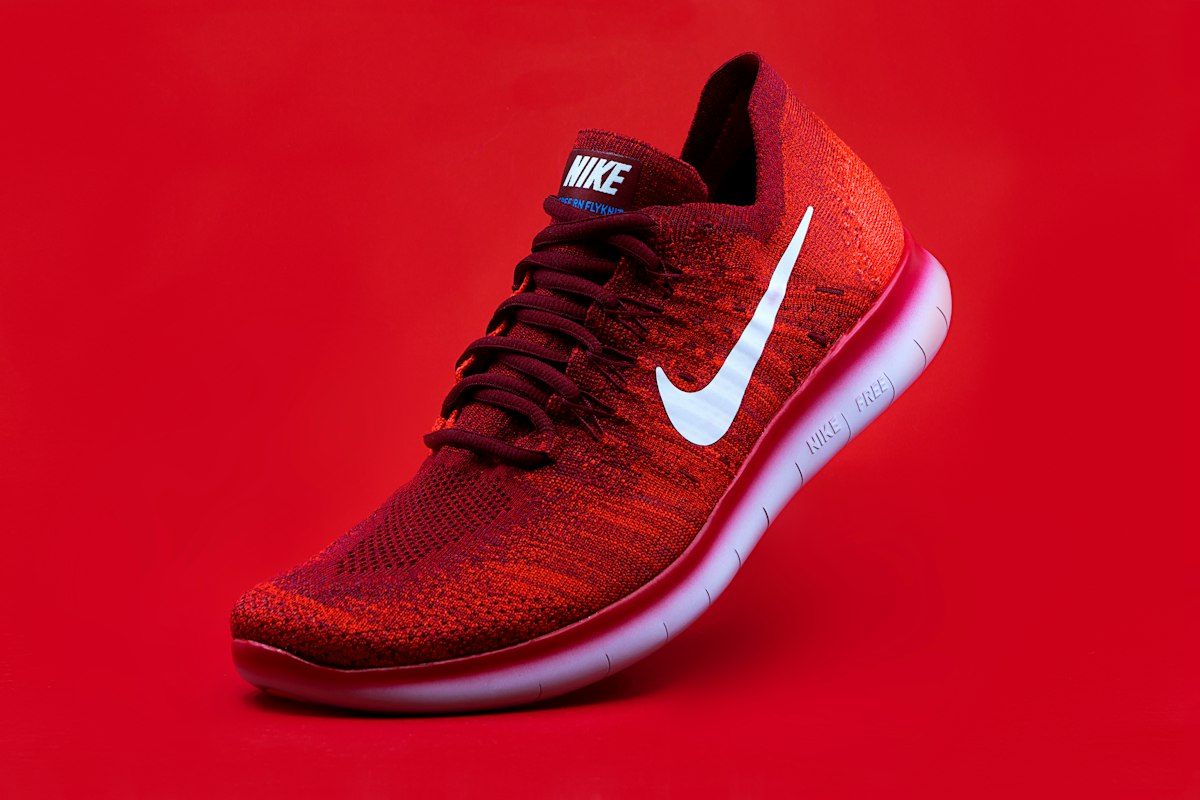
Running Shoes: What Sports Medicine Resources and Buyer Reviews Describe
Running shoes are a common footwear category. This summary pulls from sports medicine resources, consumer reports, and aggregated buyer reviews to identify what features and considerations distinguish this category.
This article does not claim personal testing of any specific running shoe. The information below reflects what published sports medicine guidance and aggregated buyer feedback typically report.
Shoe Categories
Running shoes are typically categorized by intended use and gait characteristics:
Neutral: Designed for runners whose feet don’t significantly pronate (roll inward) or supinate (roll outward). Reviews note neutral shoes are the most common and accommodate most runners.
Stability: Designed for runners with mild to moderate overpronation. Reviews note these shoes have additional support features on the medial (inside) side.
Motion control: Maximum support category for runners with significant overpronation. Less common in modern running shoe lineups as running shoe technology has evolved.
Trail: Designed for off-road running, with more aggressive outsoles and protective features. Reviews note trail shoes are typically stiffer than road shoes.
Racing/carbon-plated: Premium racing shoes with carbon fiber plates and high energy return foams. Reviews note these are designed for racing rather than daily training.
The American Orthopaedic Foot & Ankle Society (AOFAS) and sports medicine resources consistently note that shoe selection should be based on individual biomechanics rather than category alone.
Cushioning Technologies
Running shoe cushioning has evolved substantially in recent years:
EVA (ethylene-vinyl acetate) foam: Traditional cushioning material. Reviews note EVA is lighter than older materials but can lose some bounce over time.
Polyurethane foam: More durable than EVA but heavier. Used in some longer-lasting models.
PEBA (polyether block amide) foams: Premium materials (Nike ZoomX, Adidas Lightstrike Pro, Saucony PWRRUN PB) that offer high energy return at low weight. Reviews consistently rate PEBA-based foams as the current state of the art.
Carbon fiber plates: Embedded in some shoes (most famously the Nike Vaporfly line) to provide propulsion and energy return. Reviews note carbon-plated shoes are designed for racing, not daily training.
Drop and Stack Height
Shoe drop (heel-to-toe differential) and stack height (overall sole thickness) affect feel and biomechanics:
- Drop 0 to 4 mm: Low drop, more natural foot position. Reviews note these can take adjustment for runners used to higher-drop shoes.
- Drop 6 to 12 mm: Standard for most traditional running shoes.
- Drop 12+ mm: Higher drop, less common in modern designs.
Stack height (maximum under heel) has increased substantially in recent years, with the American College of Sports Medicine noting that higher stack heights can reduce impact forces but may also reduce proprioception.
Common Reasons for Return
Aggregating the most-mentioned issues across buyer Q&A:
- Sizing inconsistent (running shoes often fit differently from casual shoes).
- Cushioning or support insufficient for runner’s needs.
- Durability issues within expected lifespan.
- Fit issues (heel slipping, toe cramping, width problems).
- Color or appearance different from photos.
These five issues account for a disproportionate share of returns in this category.
Fitting Considerations
Reviews consistently identify several fitting considerations:
- Have feet measured later in the day when slightly larger.
- Try on with the socks intended for running.
- Allow thumb-width of space at the toe.
- Heel should feel secure without slipping.
- Midfoot should feel snug but not constricting.
The AOFAS notes that running shoe fit is highly individual, and that the same shoe model can fit different people very differently. Visiting a specialty running store for gait analysis and fitting is recommended for serious runners.
Injury Prevention Considerations
Sports medicine resources note several considerations for running shoe selection:
- Replace running shoes every 300 to 500 miles (most published guidelines agree on this range).
- Rotate between multiple pairs to extend shoe life and reduce repetitive stress.
- Match shoe to typical running surface.
- Address biomechanical issues with appropriate shoes or orthotics, not just by switching shoe models.
Reviews consistently note that shoe selection is one factor in injury prevention but is not a substitute for appropriate training progression, strength work, and recovery.
What the Evidence Does Not Support
There are claims about running shoes that outrun the evidence:
- That any specific shoe prevents injuries. The research is mixed on whether running shoes reduce specific injuries.
- That expensive shoes are always better. Mid-range shoes from reputable manufacturers often perform comparably.
- That “natural” or minimalist shoes are universally healthier. Transitioning to lower-drop or minimalist shoes requires gradual adaptation.
Limitations
Some limitations in the published research on running shoes:
- Long-term injury outcome studies are difficult and expensive to conduct.
- Individual biomechanics vary substantially, making general claims difficult.
- Running shoe technology evolves faster than research publication timelines.
Sources and Further Reading
- The American Heart Association’s physical activity resources.
- The American Orthopaedic Foot & Ankle Society resources.
- Consumer Reports’ running shoe coverage.
- Wirecutter’s running shoe recommendations.
These references are publicly verifiable, and the claims in this article are drawn from this kind of public material. No claim is based on first-hand testing of a specific running shoe by the author.