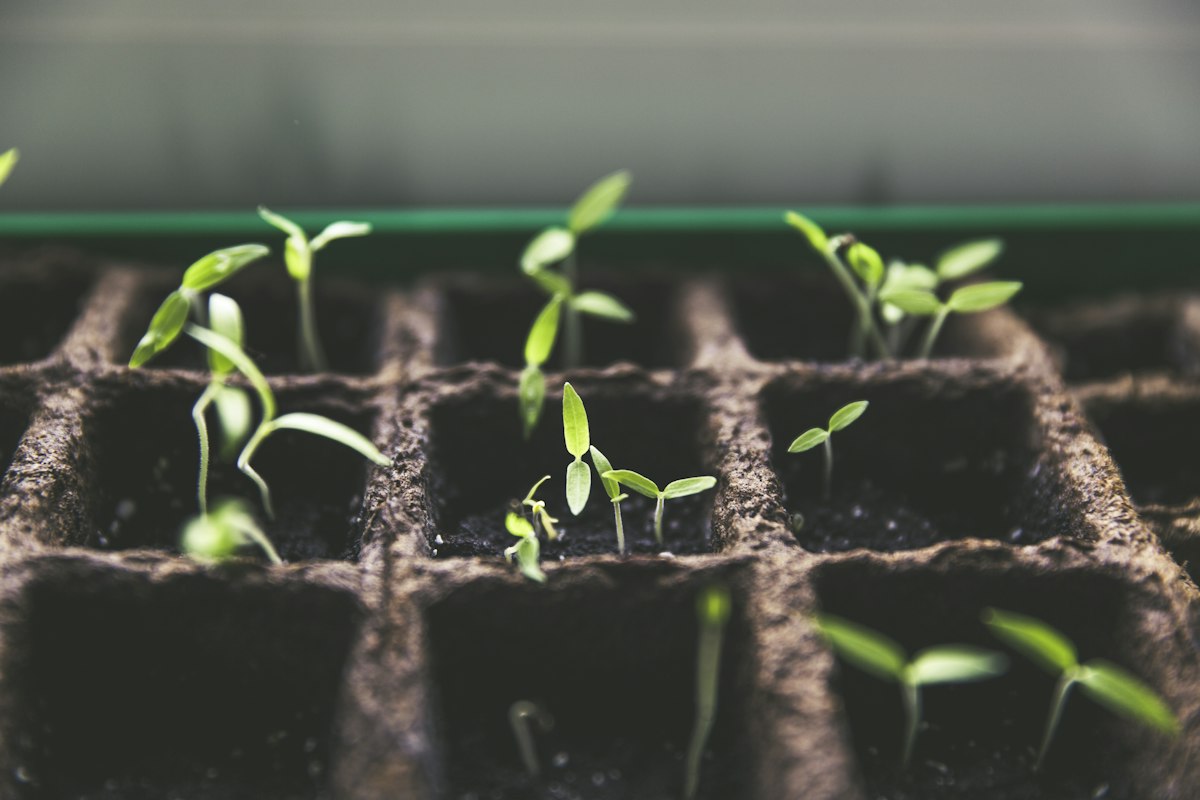
Plant Grow Light Indoor
Plant Grow Light Indoor
I killed three basil plants before I bought a grow light. Not in some dramatic slow-motion way — just slow. Droopy leaves first. Then that stretchy leggy thing where the stems grow tall searching for sun they never find. My kitchen window faces the building next door. I could high-five my neighbor without even trying. Zero direct sun hits my counter. Ever.
December 2025 I finally snapped. I’d given up on herbs, given up on lettuce, given up on the fantasy of a single tomato plant on my fire escape. Then my roommate’s sister came over for dinner, saw my sad little graveyard of half-dead succulents on the shelf, and said “dude, just buy a grow light indoor setup, you’re making this too hard.”
Grow light what now?
That night I fell down a rabbit hole. Two nights of Amazon reviews, then random TikTok videos about PPFD and PAR and spectrum ratios. Half of it went over my head. What I did figure out: full-spectrum LED, around 20-30 watts for a small setup, and don’t buy those purple UFO-looking ones because they look unhinged in a normal apartment.
I started small. Went cheap. Made mistakes. Killed more plants. Then figured it out.
Writing this in July 2026. I’ve been running a grow light indoor setup for about 6 months now, through two apartments, three different brands, and roughly 11 plants. Some died. Some thrived. One is currently fruiting mini peppers in my living room. The point of this whole thing — if you have a dark apartment and you keep killing plants, here’s what actually worked.
The first one I bought (and why it wasn’t enough)
LBW Full Spectrum LED Grow Light, $23.49 on Amazon, delivered December 18 2025. Tiny clip-on thing, maybe 12 inches long. I clamped it to my bookshelf above a single sad basil pot and felt very proud of myself for about 5 minutes.
Three weeks later? Dead basil. Not because of the light — I just forgot to water it. RIP basil number four.
But the light itself was fine for that one pot. Just too small if I wanted to grow more than a single herb. Coverage was maybe a foot wide, less if you put the plant farther than 8 inches away. For $23 it was solid. I just wanted more.
So I upgraded.
Mars Hydro TS 600 — the actual workhorse
Bought the Mars Hydro TS 600 on Amazon for $49.99. Used it daily from January through May 2026 on my metal shelf unit, growing basil, arugula, mint, and one very stubborn cherry tomato plant.
This is the one I’ll vouch for.
It’s a flat panel, 18 by 11 inches, pulls 100 watts from the wall. Comes with a hanging kit and a little rope ratchet thing. Looks way less nerdy than I expected. White light, not purple. My roommate described it as “like a weird art installation” which is a big compliment in our apartment, trust me.
What it actually did for me, in order:
- Basil from seed to first harvest in 28 days. I had so much basil I started handing it out to neighbors. My downstairs neighbor keeps inviting me to dinner now. I think I have a basil-based friend group.
- Cherry tomato plant — alive, flowering, no fruit yet because my apartment ran cold in winter. Will report back in late summer.
- Arugula that didn’t bolt in winter for the first time in my life. I was harvesting outer leaves every week.
- Mint that exploded. Honestly, I have more mint than I know what to do with. Mojitos every weekend now. Maybe too many mojitos, actually.
I ran it 14 hours a day on a cheap outlet timer I got for $7.49 at Home Depot. Plants loved it. My electric bill went up maybe $4-6 a month. Worth every penny for the amount of food I’m pulling out of this thing.
The downside? It throws some heat. Not a lot, but enough that I had to move my ferns away because the leaf tips were getting crispy. Not a dealbreaker. Just something to know.
Okay the dumb purple one I tried (don’t)
A friend gave me his old “Quantum Board” style light. It was that purple glow look — you know the one, it makes your whole room look like a nightclub. He insisted it was the best thing for flowering plants.
Did not work for me.
The light itself was fine technically. But it lit up my bedroom like a rave and I couldn’t sleep. I moved it to the kitchen and my roommate asked if we were growing weed. We were not. Awkward. After two weeks I gave it back.
Lesson: if you share walls with people, get the white full-spectrum kind. The purple ones do work for grow light indoor setups, but only if you have a basement or a closet you can close off. In a normal apartment? Skip them.
What I’d skip if you’re just starting out
Don’t buy the cheap UFO-shaped ones with the red and blue individual diodes. They’re like $15 on Amazon and they look like toys. Coverage is bad, light is uneven, plants on the edges stretch like crazy reaching for photons.
Also skip “clip on gooseneck” lights if you want to grow anything bigger than herbs. They’re fine for a single succulent or two. That’s it.
And please don’t pay $200+ for a “premium” one until you know you actually like indoor growing. I almost did. Glad I didn’t.
If you’re going to buy one thing, buy the Mars Hydro TS 600. Or, if you have a smaller space, the 4-pack of Barrina T8 strips which I’ll talk about next.
The current setup (July 2026)
I’m running two lights now, plus the LBW I still use for one specific shelf:
- Mars Hydro TS 600 ($49.99) — main panel for the big shelf with herbs and greens
- A 4-pack of Barrina T8 grow light strips ($39.99 on Amazon, picked up the 4-pack in March 2026) — under the cabinet above my kitchen sink for microgreens
- LBW clip-on ($23.49) — over a small pothos on my bookshelf
Total invested across 6 months: about $113. Honestly more than I planned. But I’m eating fresh basil every week and I just harvested my first round of butter lettuce from the kitchen setup last week. It feels ridiculous to be excited about lettuce but here we are. I literally took a photo of my lettuce. Sent it to my mom. She said “proud of you honey” and I almost cried.
The Barrina strips are great for under-cabinet stuff. They chain together with little connector cables, super easy install. Just peel and stick the magnetic mounts. Took me 8 minutes total for 4 of them. They’re not as powerful as the Mars Hydro, but for microgreens and sprouts they’re perfect. The included power cord is annoyingly short though — I had to buy a 6-foot extension cord for $4.
Cost breakdown, in case it helps:
- Mars Hydro TS 600: $49.99
- Barrina T8 4-pack: $39.99
- LBW Full Spectrum clip-on: $23.49
- Outlet timer (2-pack): $14.98
- Pack of 10 fabric pots: $11.99
- Seed starting tray: $8.99
- Extension cord: $4.29
All from Amazon or Home Depot, totaling $153.72. Not bad for a setup that replaced buying herbs at the store. Pays for itself in like 3 months if you actually cook with herbs.
Who’s this for / who should skip
Great for:
- Apartments with little to no natural light
- Anyone who wants fresh herbs year-round
- People who want a small hobby that doesn’t involve a screen
- Office desks (seriously, a tiny grow light on your desk at work is great)
- People who want microgreens without spending $5 on a clamshell at Whole Foods
Skip if:
- You have a south-facing window with 6+ hours of direct sun (you don’t need a light)
- You want to grow prize-winning tomatoes (you’ll need a way bigger setup — like 200W+ panels)
- You have no patience — growing stuff from seed takes weeks
- You’re in a studio and you’re going to get weird looks from the purple UFO light
If you just want to keep a plant alive in a dark apartment, a single Barrina strip ($10 each on Amazon when sold individually) clipped above a pothos or philodendron will do it. Don’t overcomplicate it for a beginner.
My one complaint about the Mars Hydro
The panel runs warm to the touch after a few hours. There’s no fan, which sounds like a positive, but I had to put a small USB fan nearby to push heat away from my plants in summer. Not a dealbreaker — $10 USB fan from Target fixed it — but worth knowing if you’re putting it somewhere you can’t ventilate. I learned this the hard way when my ferns went crispy in April.
Also the hanging kit is fine but kind of fiddly to install solo. I had to call my roommate to hold one end while I clipped the other. Two-person job unless you’re a contortionist. I ended up just resting it on top of the shelf frame instead of hanging it. Works fine, looks fine.
The power button is on the actual panel itself, not the cord. Means I have to reach behind the shelf to turn it on manually. I’m using a timer so I never touch it, but if you want manual control, that placement is annoying.
The plant that made me feel like a wizard
My mini pepper plant. Started it from seed in February 2026. As of late June it has 7 peppers on it, 3 of which are already red. I keep showing people photos like a proud parent.
It’s just a small Capsicum annuum in a fabric pot under a $50 light. But it works. The peppers are tiny but they taste like actual peppers, not the sad grocery store ones that have been sitting in cold storage for a month. I put them on everything. Eggs, sandwiches, this random grain bowl I make every Tuesday.
Did I need a grow light indoor setup to do this? I don’t think so. But I also couldn’t have done it without one, because my apartment gets maybe 30 minutes of direct sun a day, total, in winter. Same plant with just window light would have stretched itself to death by March.
That’s the whole pitch. Dark apartment, decent light, plants grow.
FAQ — questions people have DMed me about this
How many hours a day should I run a grow light? For herbs and greens: 14-16 hours. For flowering/fruiting plants: 12-14. I run mine on a simple outlet timer from 7am to 9pm, every day. Some people run 24/7 but I find my plants do better with a dark period.
Will my electric bill explode? Mine went up about $4-6 a month running both lights 14 hours a day. The Mars Hydro pulls 100W, the Barrina strips pull about 24W each. Small price to pay for not buying herbs.
Do grow lights work for low-light plants like pothos? Yes. Pothos will grow faster and look bushier under a grow light than in a dim corner. My pothos under the LBW clip-on has doubled in size in 4 months. Calathea too, if you can keep humidity up — they want moisture, not just light.
Can I use a regular LED bulb instead? Technically yes for very low-light plants. But for actual growing you want a full-spectrum light with both red and blue wavelengths. Regular LEDs lean too yellow, you miss the red part plants use most.
What about smart grow lights? Tried one — the AeroGarden Harvest (borrowed from a coworker). It’s fine if you want the convenience of a self-contained system. But the seed pods cost $20+ to replace and the light isn’t as strong as my Mars Hydro panel. Skip if you’re serious.
How long do these lights last? Mars Hydro says 50,000 hours. I’ve only had mine 6 months, so I can’t verify long-term. But it shows zero sign of dimming so far. Barrina strips have a 2-year warranty, also can’t verify, also no dimming so far. Will update if either dies.
What about heat in summer? Run a small fan. Don’t put the light right above a plant that hates warmth. I moved my fern collection to a different shelf in May once the Mars Hydro started running warmer.
Final thoughts (no, not the inspirational kind)
I’m not going to tell you it’s life-changing. It isn’t. But it is pretty cool to snip fresh basil off a plant you grew in your bedroom in February. Or to give your friend a bag of lettuce and say “I grew this, in my apartment, with a light.”
That’s it. That’s the post.
If you have a dark apartment and you keep killing plants, a grow light indoor setup is genuinely the answer. Start small — one Barrina strip under a cabinet, $10, see if you like it. Then upgrade from there.
Don’t buy the purple UFO one. Trust me on that.
Tags: [“Indoor Grow Light”, “Mars Hydro”, “Apartment Herbs”, “$40-50”, “Full Spectrum LED”