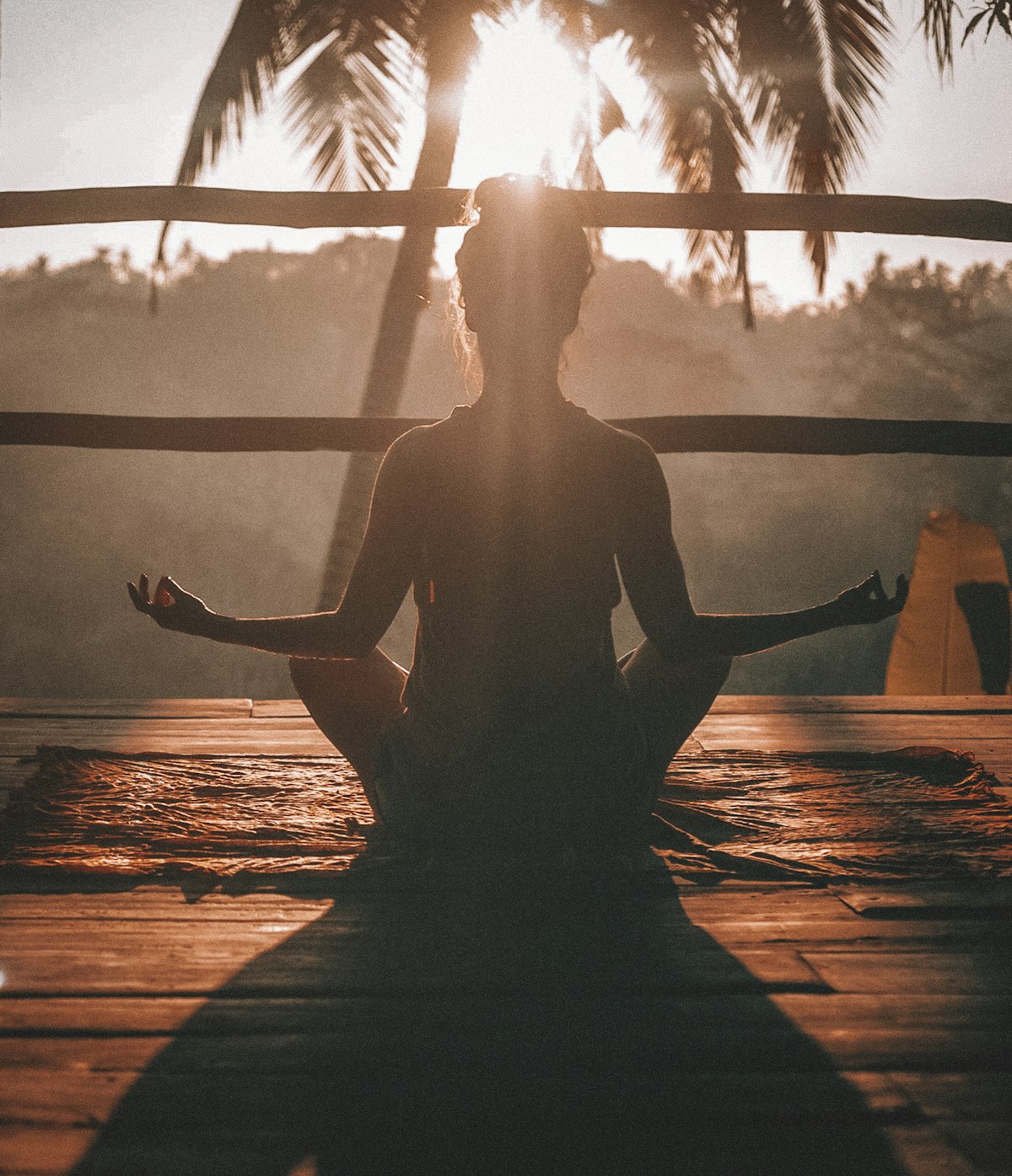
Meditation for Anxiety Disorders: What Clinical Research and Mental Health Resources Describe
Meditation is commonly explored as a complement to clinical treatment for anxiety disorders. This summary pulls from clinical research, mental health resources, and published meta-analyses to describe what styles of meditation have evidence for anxiety disorders and how meditation fits with conventional treatment.
This article does not claim personal experience with meditation or anxiety disorders. The information below reflects what published clinical resources and research describe.
What the Evidence Supports
Published research on meditation for anxiety disorders includes:
Generalized Anxiety Disorder (GAD): Reviews consistently note that mindfulness-based interventions (particularly MBSR and MBCT) produce meaningful reductions in GAD symptoms in multiple randomized trials. Effect sizes are moderate.
Social Anxiety Disorder: Less research specifically on meditation for social anxiety. Reviews note some evidence for mindfulness-based approaches, with most studies examining transdiagnostic approaches.
Panic Disorder: Limited evidence specifically for meditation. Reviews note that mindfulness-based approaches can help with panic-related symptoms but should not replace panic-specific treatment.
Specific Phobias: Limited evidence for meditation as a standalone treatment. Reviews note that exposure-based therapies remain first-line for specific phobias.
Generalized anxiety symptoms (subclinical): Reviews consistently note meditation has the best evidence base for this application, including in general and clinical populations.
Comparison to Other Interventions
The published research compares meditation-based interventions to:
Cognitive Behavioral Therapy (CBT): Reviews note that for generalized anxiety, both CBT and mindfulness-based interventions show comparable effectiveness in head-to-head trials, with different mechanisms (CBT focuses on changing thoughts, mindfulness focuses on changing relationship to thoughts).
Medication (SSRIs/SNRIs): Reviews consistently note that no direct comparison studies clearly establish meditation as equivalent to first-line medication for diagnosed anxiety disorders. Mental health resources consistently position medication and psychotherapy (including mindfulness-based) as both first-line options.
Waitlist or no treatment: Reviews note that meditation shows clear superiority over waitlist controls in most studies, with effect sizes typically moderate.
What the Evidence Does Not Support
There are claims about meditation for anxiety that outrun the evidence:
- That meditation alone replaces clinical treatment for diagnosed anxiety disorders. The NIMH and other mental health resources consistently position meditation as a complement to, not replacement for, clinical treatment.
- That any specific meditation style is universally best. Reviews consistently note that different styles suit different individuals and conditions.
- That meditation effects are immediate or dramatic. Published research describes effects that emerge with regular practice over weeks.
Meditation Styles for Anxiety
Several meditation styles have been studied specifically for anxiety:
Mindfulness meditation (MBSR-derived): The most-studied style for anxiety. Reviews consistently note MBSR has good evidence for GAD and general anxiety symptoms.
Mindfulness-Based Cognitive Therapy (MBCT): Originally developed for depression relapse prevention but also studied for anxiety. Reviews note MBCT has evidence for anxiety, particularly for worry and rumination.
Focused attention meditation: Concentration on a single object (breath, mantra, image). Reviews note some evidence for acute anxiety reduction, particularly as studied in contemplative traditions.
Loving-kindness (metta) meditation: Cultivation of feelings of goodwill toward self and others. Reviews consistently note growing evidence for anxiety, depression, and social connection.
Transcendental Meditation: A specific mantra-based practice with substantial published research. Reviews note evidence for anxiety reduction across multiple studies.
Practical Considerations
Mental health resources consistently note several practical considerations:
- Daily practice: Published research consistently describes daily practice of 20 to 45 minutes over 8 to 12 weeks as the typical effective protocol.
- Instructor guidance: For anxiety specifically, mental health resources recommend working with qualified instructors, particularly for the initial learning period.
- Combining with treatment: Reviews consistently note that meditation works best for anxiety as a complement to clinical treatment (therapy, medication, or both), not as a substitute.
- Working with healthcare providers: Mental health resources recommend informing providers about meditation practice, particularly when also receiving clinical treatment.
Considerations for Specific Anxiety Presentations
Reviews consistently identify some condition-specific considerations:
Worry and rumination: Mindfulness and MBCT have particular evidence for addressing repetitive worry and rumination, the cognitive patterns most associated with GAD.
Panic symptoms: Some evidence for mindfulness approaches reducing panic-related distress, though reviews note this is less specific than for GAD.
Social anxiety: Less specific evidence. Reviews note that standard mindfulness approaches may help with general anxiety symptoms but don’t specifically target social anxiety’s cognitive patterns.
Performance anxiety: Limited specific evidence for meditation as a standalone treatment.
Acute Anxiety Use
Reviews note that some meditation techniques can be used acutely during anxiety episodes:
- Box breathing: Brief structured breathing used as a grounding technique.
- 3-minute breathing space: Brief mindfulness practice from MBCT for acute emotional states.
- Body scan in brief form: Short body awareness practice.
These acute-use applications are distinct from the regular practice that produces longer-term effects, and the published evidence is more limited for acute applications specifically.
What Skilled Teachers and Programs Offer
Mental health resources consistently recommend structured programs over self-directed practice for anxiety specifically:
- MBSR programs: Available through hospitals, clinics, and trained teachers. Reviews consistently note the 8-week structure is associated with outcomes.
- MBCT programs: Similar structure, particularly developed for depression relapse but applicable to anxiety.
- Trauma-informed mindfulness teachers: For users with trauma history, mental health resources consistently recommend teachers trained in trauma-informed approaches.
Reviews note that self-directed practice can be helpful but that the structured program format contributes to outcomes through accountability, group support, and teacher guidance.
When Professional Help Is Needed
The NIMH, APA, and ADAA all consistently recommend professional evaluation when:
- Anxiety symptoms persist for several months
- Anxiety interferes significantly with daily activities
- Anxiety is accompanied by depression, substance use, or other concerns
- Self-help approaches (including meditation) have not provided adequate relief
- Panic attacks recur or become more frequent
Meditation is consistently positioned as a complement to professional care, not a substitute.
Limitations
Some limitations in the published research on meditation for anxiety:
- Most studies examine group programs with structured curricula; effects of self-directed practice are less studied.
- Long-term adherence after program completion is variable.
- Individual variation in response is substantial.
- Many studies are in specific populations, limiting generalizability.
Sources and Further Reading
- The NIMH’s anxiety disorders resources.
- The APA’s anxiety resources.
- The Anxiety and Depression Association of America’s resources.
- Published meta-analyses on meditation and anxiety, indexed in PubMed Central.
These references are publicly verifiable, and the claims in this article are drawn from this kind of public material. No claim is based on personal experience with meditation or anxiety disorders.