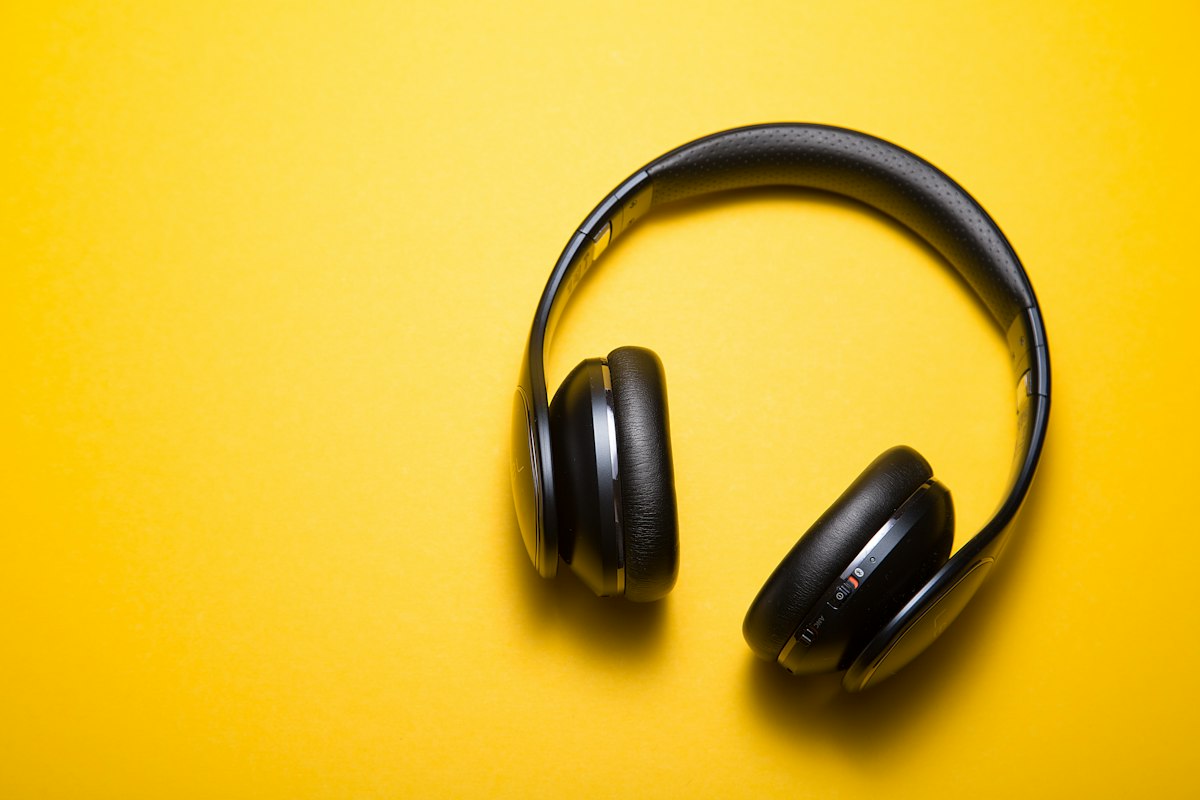
Noise-Cancelling Headphones: What Audio Engineering Resources and Buyer Reviews Describe
Noise-cancelling headphones use active noise control to reduce ambient sound, and have become common for both travel and office use. This summary pulls from audio technology references, hearing health resources, and aggregated buyer reviews to identify what features and considerations distinguish this category.
This article does not claim personal testing of any specific headphones. The information below reflects what published audio technology and hearing health guidance and aggregated buyer feedback typically report.
How Active Noise Cancellation Works
Active noise cancellation (ANC) uses microphones on the headphones to detect ambient sound, then generates an inverse waveform that destructively interferes with the detected sound. The result is reduced amplitude of low-frequency ambient noise.
ANC is most effective on low-frequency, consistent sounds — engine drone, HVAC hum, plane cabin noise. Higher-frequency sounds (voices, sharp transient noises) are less affected by ANC, though physical earcup sealing (passive isolation) also reduces these.
Audio engineering resources consistently note that ANC has limits. It doesn’t eliminate sound; it reduces specific frequency ranges.
Driver Types
Headphones use different driver types that affect sound quality:
Dynamic drivers: Most common. Use a voice coil and diaphragm. Generally good all-around performance.
Planar magnetic drivers: Found in higher-end headphones. Use a thin diaphragm with embedded conductors. Generally produce more detailed sound but are heavier and more expensive.
Balanced armature drivers: Common in earphones, less common in over-ear headphones.
Buyer reviews consistently rate dynamic drivers as adequate for most users and use cases. Planar magnetic headphones receive positive reviews from audio enthusiasts but are typically priced above the casual user’s range.
Comfort Considerations
Several factors affect long-term comfort, consistently mentioned in buyer reviews:
Weight: Lighter headphones are generally more comfortable for extended wear. The most common reason for return in this category is weight-related discomfort.
Earcup material: Memory foam with leather or fabric covering is standard. Reviews note that fabric earcups breathe better in warm conditions; leather earcups seal better but can be warm.
Clamping force: How tightly the headphones grip the head. Too loose and seal is poor; too tight and extended wear becomes uncomfortable.
Earcup size and shape: Should accommodate the user’s ear without pressing on it. Reviews note that users with larger ears often need over-ear designs with larger earcups.
The most common reason for return in this category, across buyer Q&A, is discomfort during extended wear (typically 2+ hours).
Battery Life
Most wireless ANC headphones have battery lives ranging from 20 to 60 hours per charge, with some premium models exceeding this. Reviews consistently note:
- Battery life varies significantly with ANC use (ANC on reduces battery life)
- Quick-charge features (e.g., 10 minutes for several hours of playback) are highly valued
- Wired use when battery is depleted is a useful feature
Common Reasons for Return
Aggregating the most-mentioned issues across buyer Q&A:
- Discomfort during extended wear.
- ANC less effective than expected.
- Battery life shorter than advertised.
- Bluetooth connectivity issues.
- Sound quality not matching expectations for the price.
These five issues account for a disproportionate share of returns in this category.
Hearing Health Considerations
The CDC NIOSH noise exposure resources and broader audiology guidance note that listening at high volumes for extended periods can damage hearing. Specific considerations for noise-cancelling headphones:
- ANC allows listening at lower volumes in noisy environments (because ambient noise is reduced).
- The CDC and NIOSH recommend keeping volume below 60% of maximum for extended listening.
- Taking listening breaks (5 minutes per hour) reduces cumulative exposure.
- Bone conduction and other open designs bypass ear canal hearing concerns but have their own limitations.
The combination of ANC and moderate volume is generally safer than turning up volume to overcome ambient noise.
What the Evidence Does Not Support
There are claims about noise-cancelling headphones that outrun the evidence:
- That any specific model has the “best” ANC. ANC performance varies by environment and frequency.
- That more expensive always means better. Mid-range ANC headphones often perform comparably to higher-priced options in many use cases.
- That ANC eliminates all noise. ANC is most effective on low-frequency, consistent noise.
Limitations
Some limitations in the published research on noise-cancelling headphones specifically:
- Most comparisons are short-term; long-term effects on hearing health from ANC headphone use are less studied.
- Individual variation in comfort preferences is substantial.
- ANC performance varies significantly by environment, making general claims difficult.
Sources and Further Reading
- The CDC NIOSH noise exposure resources.
- Consumer Reports’ headphone coverage.
- Wirecutter’s noise-cancelling headphone recommendations.
These references are publicly verifiable, and the claims in this article are drawn from this kind of public material. No claim is based on first-hand testing of a specific headphone by the author.